Retirement Communities in India: A Complete Guide for Families and Seniors
Published: January 15, 2026•Last Updated: September 8, 2026•For: Adult children in India & NRIs abroad planning senior care for aging parents
Quick Answer
Retirement communities in India are purpose-built residential facilities for seniors aged 55+, offering assisted living, medical care, meals, and social activities under one roof. Monthly costs range from ₹8,000 to ₹1,00,000+ depending on care level and location. Key hubs include Noida, Bengaluru, Pune, Coimbatore, and Hyderabad. Quality Elder Home in Noida, Sector 116 offers trusted 24/7 care starting at ₹29,500/month.
Key Takeaways
This guide is for families in India and NRIs abroad deciding between independent living, assisted living, memory care, or full-time residential elder care for a parent or grandparent.
Costs typically range from ₹8,000 to ₹1,00,000+ per month, depending on the level of care and location.
Noida, Bengaluru, Pune, Coimbatore, and Hyderabad are currently the biggest retirement community hubs in India.
Choosing the right community depends on the senior's health, independence level, and family's proximity needs — not just price.
India is changing — and so is the way we think about growing old. More families today are exploring
retirement communities in India as a dignified,
joyful, and safe way for their parents and grandparents to spend their golden years.
This guide is written for two groups: adult children in India (or based abroad as NRIs)
who are researching senior care options for an aging parent or grandparent, and seniors themselves who
are planning ahead for their own retirement living. Whether you're comparing independent living against
assisted care, or trying to understand costs and what to look for during a facility visit, this guide
walks you through everything you need to know — with warmth, honesty, and real information.
What Is a Retirement Community in India?
A retirement community in India is defined as a residential facility or campus designed specifically for older adults — typically aged 55 and above — where housing, daily care, medical support, meals, and social activities are provided together in a safe, structured environment.
Unlike the old image of an "old age home," modern retirement communities in India are vibrant spaces that
combine independence with care, companionship with privacy, and comfort with dignity.
They range from fully independent senior apartments to assisted living homes with round-the-clock medical
support — and everything in between. The right community depends on your loved one's health, personality,
social needs, and budget.
Why Are So Many Families Choosing Retirement Communities in India?
Families choose retirement communities because India's changing social structure — nuclear families, children working abroad, and longer lifespans — has made professional, round-the-clock senior care both safer and more practical than informal home arrangements.
India has over 140 million citizens above the age of 60 — a number projected to more than double by 2050.
Several powerful shifts are driving the rise of retirement communities across the country:
Nuclear families and children relocating to different cities or abroad, leaving elderly parents alone
Increasing life expectancy — more seniors are living into their 80s and 90s and need long-term support
Growing awareness that professional elder care is safer and more structured than informal home arrangements
Seniors themselves choosing community living over isolation for better social and mental wellbeing
A rise in age-related conditions like diabetes, arthritis, dementia, and heart disease requiring daily management
The result? Retirement communities in India are no longer a last resort — they're becoming a preferred
lifestyle choice for thousands of families who want the best for their elders. To understand our own
approach to this shift, read more
about Quality Elder Home.
What Are the Different Types of Retirement Communities in India?
There are five main types: independent living communities, assisted living homes, continuing care communities, memory care homes, and full-time residential elder care homes. The right type depends on your loved one's current health, level of independence, and long-term care needs.
Not all retirement communities are the same. Understanding each type helps you choose the one that
fits your loved one's needs today — and as they grow older.
Type
Who It's For
Key Features
Independent Living Community
Active seniors with no major health conditions
Private apartments, common amenities, social activities
24/7 medical attention, personal assistance, family-like setting
What Do Retirement Communities in India Offer?
Good retirement communities in India offer six core services: 24/7 medical and nursing care, nutritious daily meals, housekeeping and laundry, safety and security infrastructure, social and recreational activities, and regular communication with families.
The best retirement communities in India go far beyond just providing a bed and meals. They offer a
complete ecosystem of care, comfort, and community. Here's what to look for:
🏥 Health & Medical Care
On-call doctors, trained nursing staff, regular health checkups, medication management, and emergency
response systems — so health is never compromised. See our
24/7 medical care services.
🍽️ Nutrition & Meals
Balanced, age-appropriate meals prepared with health conditions in mind — diabetic-friendly, low-sodium,
vegetarian, and region-specific options all considered.
🤝 Social & Recreational Life
Group activities, yoga classes, cultural programs, celebrations, and peer companionship that keep
seniors mentally engaged and emotionally fulfilled.
🛡️ Safety & Security
CCTV surveillance, trained security staff, fall-prevention infrastructure, and emergency call systems
that provide peace of mind to both residents and families. Read about our
emergency support and safety setup.
🧹 Housekeeping & Support
Daily room cleaning, laundry, personal hygiene assistance, and errands managed by dedicated staff —
so seniors can focus on enjoying life, not managing it. Explore our
personal assistance services.
👨👩👧 Family Connection
Regular family visit schedules, transparent communication with caregivers, and updates so families
always feel involved and reassured — no matter where they live.
Retirement Communities Across India — Major Hubs
While retirement communities are growing in every major Indian city, certain regions have become
particularly well-known for senior living options:
South India (Coimbatore, Bengaluru, Chennai): Known for pleasant climate and a large concentration of well-established senior living communities, especially among NRI families.
Pune & Mumbai: Growing number of premium senior apartments and assisted care facilities in Maharashtra, popular for western-region retirees.
Delhi NCR (Noida, Gurugram, Faridabad): Fast-growing elder care sector serving North India's large senior population, with facilities across price ranges.
Hyderabad: A rising hub for large-campus retirement communities with modern amenities and medical partnerships.
Rishikesh & Dehradun: Increasingly chosen by seniors who prefer a calm, spiritual, and nature-surrounded retirement setting.
For families in Delhi, Noida, Ghaziabad, or anywhere in the NCR, proximity to world-class hospitals,
international airports, and family members makes Noida a practical and comforting choice
for senior living. Explore our
senior living residence in Noida
or our dedicated
elder home options across Delhi NCR.
How to Choose the Right Retirement Community in India
Choosing a retirement community is one of the most important decisions a family makes. Here are the key
factors every family should evaluate before committing:
Level of care needed: Does your loved one need independent living, assisted support, or full nursing care?
Location and accessibility: Is the facility easy for family members to visit? Close to hospitals and specialists?
Staff qualifications: Are caregivers trained? Is there 24/7 medical support available?
Food and dietary care: Can the kitchen accommodate health conditions and regional food preferences?
Safety infrastructure: Look for fall-prevention features, emergency alert systems, and secure premises — see our room and facility setup as an example.
Social environment: Are there activities, outings, and genuine community life — or just rooms and routines?
Transparency and communication: Will you receive regular updates? Can you visit freely?
Cost and affordability: Understand all charges upfront — monthly fees, medical add-ons, and deposit requirements.
Quality Elder Home — A Trusted Retirement Community in Noida, NCR
If you're searching for a retirement community in the Delhi NCR region, Quality Elder Home in
Noida, Sector 116 is a name thousands of families across North India trust. We understand that
placing your parent or grandparent in a care home is never an easy decision — and that's exactly why
we've built a space that feels less like a facility and more like a second family.
What Makes Quality Elder Home Different
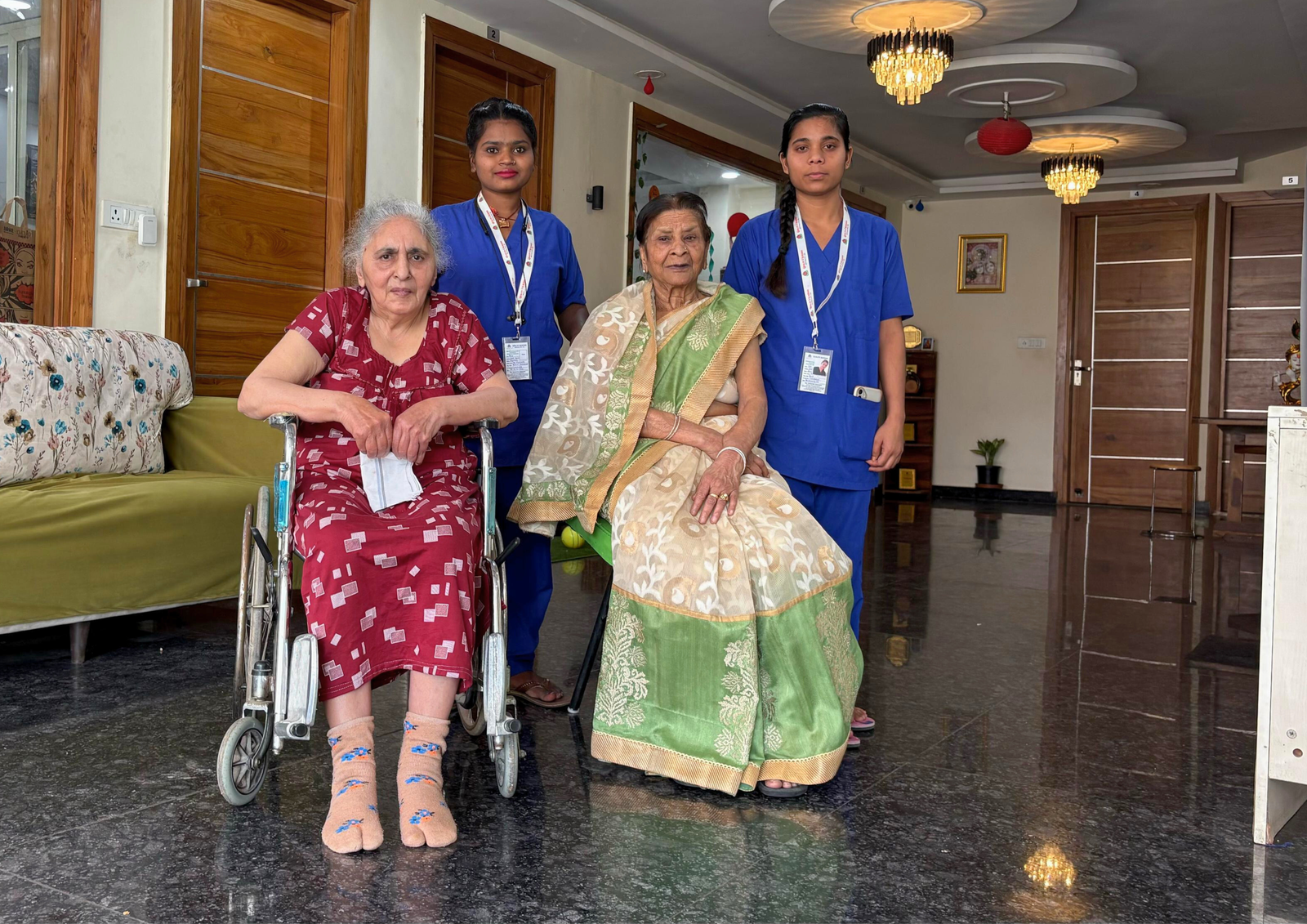
Round-the-clock care by trained, compassionate staff — day, night, and every moment in between
On-site medical support and coordination with nearby hospitals and specialist doctors
Home-cooked, nutritious Indian meals prepared fresh every day
Safe, clean, and comfortable rooms with all essential amenities
Regular family visits welcomed — we believe connection heals
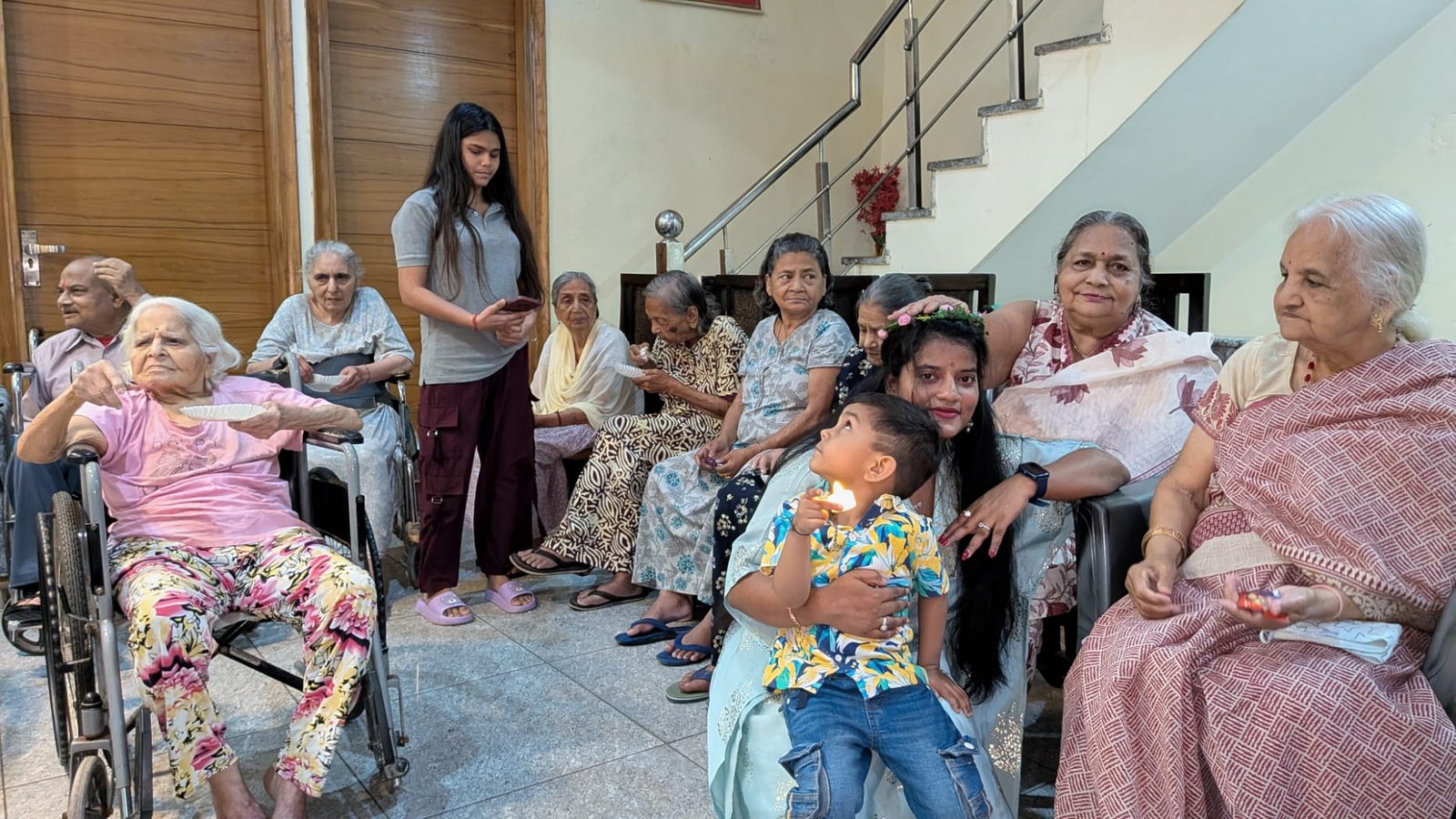
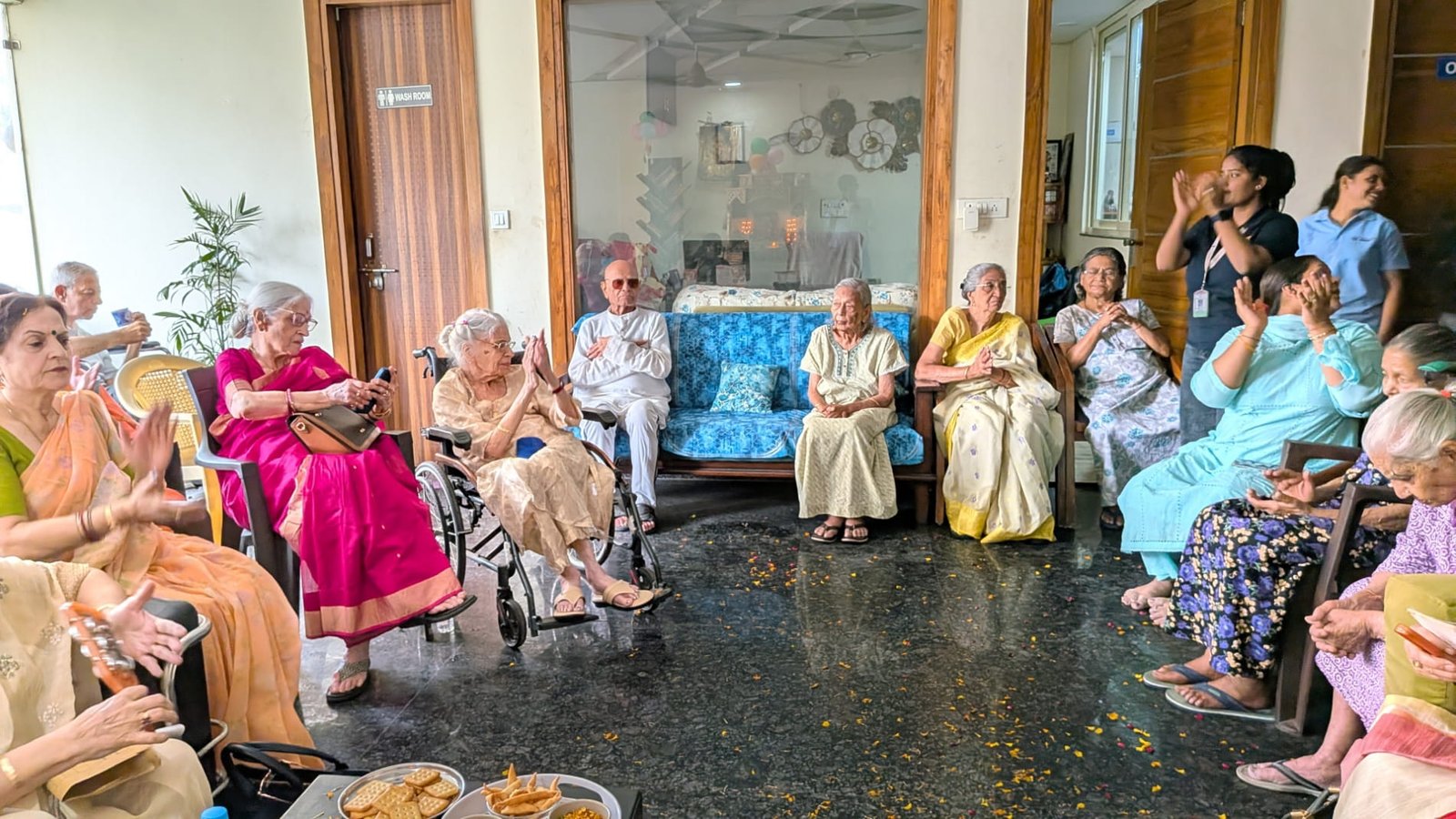
Recreational activities, cultural programs, and peer companionship
Located in Noida Sector 116 — easily accessible from across Delhi NCR
We don't just manage health — we nurture happiness. Every resident at Quality Elder Home is treated with
the same respect, love, and attention you would give to your own family. Because to us, they are.
Cost of Retirement Communities in India
One of the most common questions families ask is: "What does a retirement community cost in India?"
The honest answer is — it varies widely based on location, type of care, and facilities offered. Here's
a general overview:
Type of Community
Approximate Monthly Cost (India)
Basic elder care home (shared room)
₹8,000 – ₹18,000/month
Mid-range assisted living
₹20,000 – ₹40,000/month
Premium retirement community
₹50,000 – ₹1,00,000+/month
Specialized memory/dementia care
₹40,000 – ₹80,000/month
Always ask for a full breakdown of what's included — meals, medical, housekeeping, and activities —
before comparing costs. The cheapest option is rarely the safest, and the most expensive isn't always
the most caring. Look for value: what does your loved one actually get for the cost? If budget is a
primary concern, see our
paid old age home options
for a transparent, all-inclusive pricing model. The
Senior Citizen Welfare Portal by the Ministry of Social Justice and Empowerment, Government of India
also lists government schemes and support available to elderly citizens across the country.
Signs It May Be Time to Consider a Retirement Community
Many families wait too long before exploring senior living options. Here are some signs that now may be
the right time to have that conversation:
Your parent is living alone and shows signs of loneliness, depression, or social withdrawal
Recent falls, mobility issues, or difficulty managing daily tasks independently
Forgetting medications, meals, or important appointments regularly
Family caregivers are experiencing burnout and struggling to provide adequate care
Medical conditions requiring consistent monitoring that can't be managed at home
Your parent has expressed feeling unsafe or isolated in their current living situation
Recognizing these signs early — and acting on them — gives your loved one the time to settle into a
community while they're still well enough to enjoy it fully.
How to Evaluate and Visit a Retirement Community
Before making any decision, always visit the facility in person. During your visit, pay attention to:
How do the staff speak to and interact with current residents? Is it with warmth, patience, and respect?
Are the common areas clean, bright, and welcoming — or dull and institutional?
Are residents engaged and active — or sitting alone in silence?
How does the facility smell? (An unpleasant smell is often the first indicator of poor hygiene standards.)
Ask to see the kitchen and sample a meal if possible.
Talk to other families of current residents — their honest experience matters most.
At Quality Elder Home, we warmly welcome visits from families. We want you to see our home, meet our
team, and feel confident before making any commitment. Because the right decision is always an
informed one.
The Role of Assisted Living and Nursing Care in Retirement Communities
One of the most important — yet often misunderstood — aspects of retirement communities in India is the
role of assisted living and nursing care. Many families assume that moving into a retirement community
means giving up independence. In reality, the best communities are designed to support independence,
not replace it.
Assisted living simply means trained caregivers are available to help with tasks that
have become difficult — bathing, dressing, medication reminders, or mobility. The resident still makes
their own choices, keeps their own routine, and lives their own life. The caregiver is a quiet support
system, not a replacement for the resident's autonomy.
Nursing care, on the other hand, is for seniors who have more significant medical needs —
post-surgery recovery, chronic illness management, wound care, or conditions like Parkinson's disease or
advanced diabetes. In a good retirement community, nursing care is delivered by trained professionals
who coordinate closely with the resident's doctors.
According to the Census of India, India's elderly population
is growing at a rate faster than the general population, making professional elder care infrastructure
more critical than ever. Families across the country are recognizing that skilled, consistent care
within a retirement community setting is often safer and more sustainable than informal home arrangements
that place the entire burden on a single family member.
At Quality Elder Home, we offer a full spectrum of care — from our
assisted living facilities in Noida
for seniors who need daily support, to dedicated
nursing care services
for residents with more complex health needs. Our team works with every family to match the level of
care to the resident's actual condition — not a one-size-fits-all package.
Physiotherapy and Wellness in Senior Living
Physical health is only part of what makes a retirement community truly supportive. Mental and emotional
wellbeing matter just as much — and the two are deeply connected. Retirement communities that invest in
physiotherapy, recreational programming, and wellness activities see better health outcomes and
significantly lower rates of depression and isolation among residents.
Quality physiotherapy services help seniors recover from falls, manage joint pain, maintain mobility,
and prevent further decline. Equally important are daily activities — yoga sessions, group games,
cultural events, and social gatherings that give residents a sense of purpose and belonging every day.
At Quality Elder Home, our
in-house physiotherapy services
are available to all residents, alongside daily recreational activities designed to keep mind and body
active. We believe that a good retirement community doesn't just maintain health — it actively
improves it.
Making the Conversation Easier: Talking to Your Parent About Retirement Communities
One of the hardest parts of exploring retirement communities in India is having the initial conversation
with your elderly parent or grandparent. Many seniors resist the idea — not because the care wouldn't
benefit them, but because of the emotional weight of the decision: the fear of losing independence,
leaving their home, or feeling abandoned by their family.
Here are some thoughtful ways to approach the conversation:
Start early, not in a crisis. The conversation is far easier when it's a calm, future-focused discussion rather than an urgent response to a fall or health episode.
Lead with love, not logistics. Begin by expressing how much you care about their safety and happiness — not the practicalities of cost or distance.
Involve them in the decision. Let them visit the facility, meet the staff, and ask questions. Ownership of the decision dramatically reduces resistance.
Acknowledge their feelings. It is okay for your parent to feel sad, scared, or even angry. Listen without dismissing what they feel.
Focus on the social benefits. Many seniors who were initially reluctant later say the friendships and daily activities in a retirement community transformed their quality of life.
The goal is never to force a decision — it's to ensure your loved one feels heard, respected, and
confident that the move is a step forward, not a step away.
Retirement Communities in India – FAQs
Honest answers to the questions families ask most when exploring senior living in India. For more, visit our
full FAQ page.
What is the difference between a retirement community and an old age home in India?
A retirement community is a modern, holistic living environment designed for seniors — offering independence, social activities, medical care, and personal support under one roof. An old age home traditionally referred to a basic residential facility. Today, many elder care homes like Quality Elder Home bridge both concepts, combining professional care with a warm, community-like atmosphere.
At what age should someone consider moving to a retirement community?
Most retirement communities in India welcome residents aged 55 and above. However, the right time depends less on age and more on circumstances — such as living alone, declining health, social isolation, or a family's inability to provide adequate care at home. Many seniors who move early enjoy a far better quality of life by building friendships and settling in while they're still active and well.
Can families visit residents in retirement communities in India?
Yes, absolutely. Reputable retirement communities like Quality Elder Home actively encourage family visits and maintain open communication with families. Regular visits, phone calls, and updates from caregivers help residents stay connected to their loved ones — which is vital for emotional wellbeing.
What medical facilities should a good retirement community have?
A reliable retirement community should have trained nursing staff available 24/7, regular doctor visits or on-call medical support, medication management, emergency response systems, and established connections with nearby hospitals and specialists. Health monitoring should be proactive, not reactive.
Are retirement communities in India affordable for middle-class families?
Yes, there are options across all price ranges. Basic assisted living starts from as low as ₹8,000–₹18,000 per month, while mid-range communities offering comprehensive care typically cost ₹20,000–₹40,000 per month. Quality Elder Home offers compassionate, well-rounded care at a cost that is accessible for most Indian families — contact us to discuss your specific needs and budget.
How is Quality Elder Home different from other retirement communities in Noida?
Quality Elder Home offers 24/7 trained caregiving, on-site medical monitoring, home-cooked nutritious meals, a safe and welcoming environment, and a team that genuinely treats every resident like family. Located in Noida Sector 116, we serve families across the entire NCR and bring years of trusted elder care experience to every resident we serve.
Looking for a Trusted Retirement Community in Noida or NCR?
At Quality Elder Home, we offer round-the-clock care, warmth, and a safe community where
your loved one truly belongs. Come visit us — and see the difference for yourself.